Boeing’s new military drone, the Loyal Wingman, is set to revolutionize the future of warfare. The new class of super-smart drones called the “Loyal Wingman” is already being tested and is expected to fly alongside sixth-generation fighter jets. This drone is going to replace the pilot with silicon, taking the man out of the pilot seat.
According to a recent report, over 5,000 drone aircraft will be built per year by 2027, in over 101 countries as a part of their military operations. So far, there are 50 or so development programs, but only a handful of nations have seen killer results. Top players include the world powers such as the US, China, Russia, EU, and UK, but surprisingly entries are also Australia, Japan, and South Korea.

The Loyal Wingman is a modern UAV, which means it’s all about stealth and being multi-functional. It serves the role of what is known as a force multiplier aircraft that can fly alongside manned aircraft. It can also be used for autonomous missions, and artificial intelligence is integral to the central design philosophy and various capabilities of Boeing’s Loyal Wingman.
The Loyal Wingman’s nose can be quickly and easily removed and replaced with another nose having a completely different set of equipment or armament guidance systems, while the spy tech or weapons are loaded in the internal bay. This means the Loyal Wingman can be quickly deployed for a variety of different and very specific missions, which can include combat, reconnaissance, and electronic warfare.
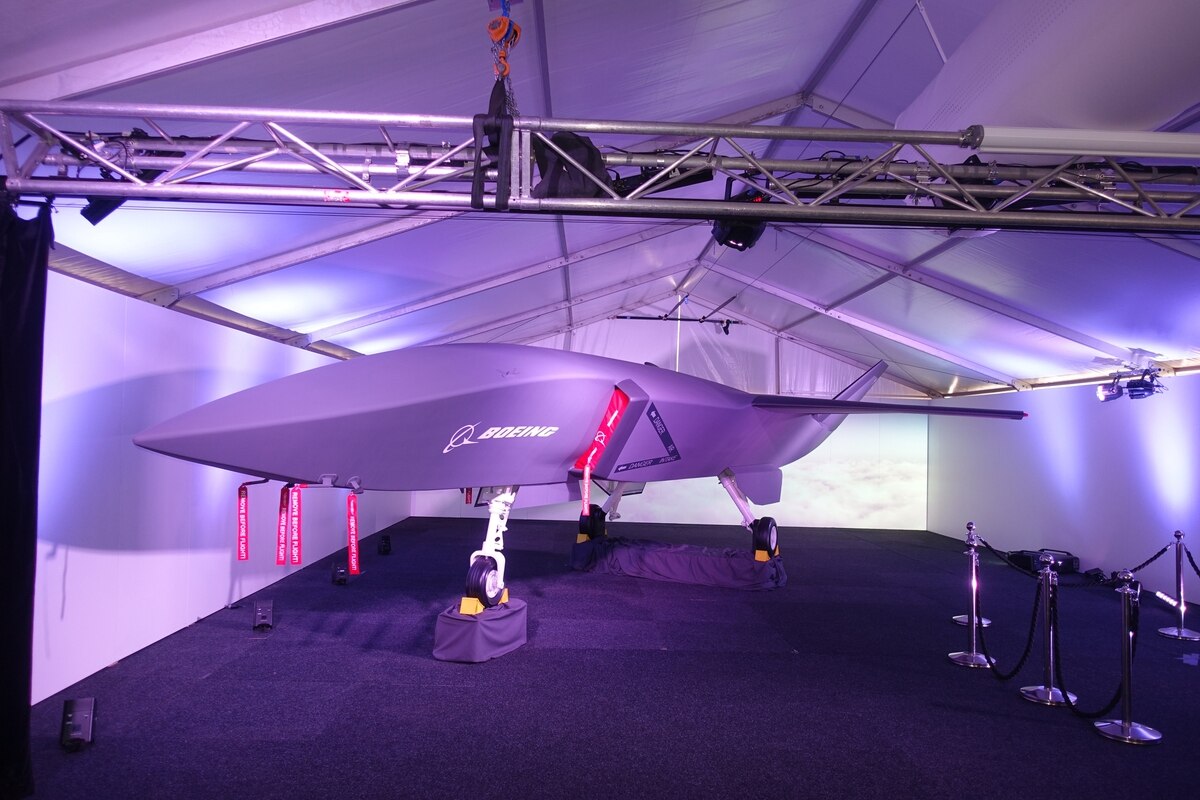
But what weapons will it carry? So far, Boeing has been tight-lipped, leaving us only to speculate. We know that air-to-air missions might be equipped with Aim-9s for bomber escorts and interceptions, and we would rule out tactical ground strikes.
Furthermore, another plus is that its fuselage is made of composite materials that use an advanced resin-infusion process, which results in a lighter and more durable craft.
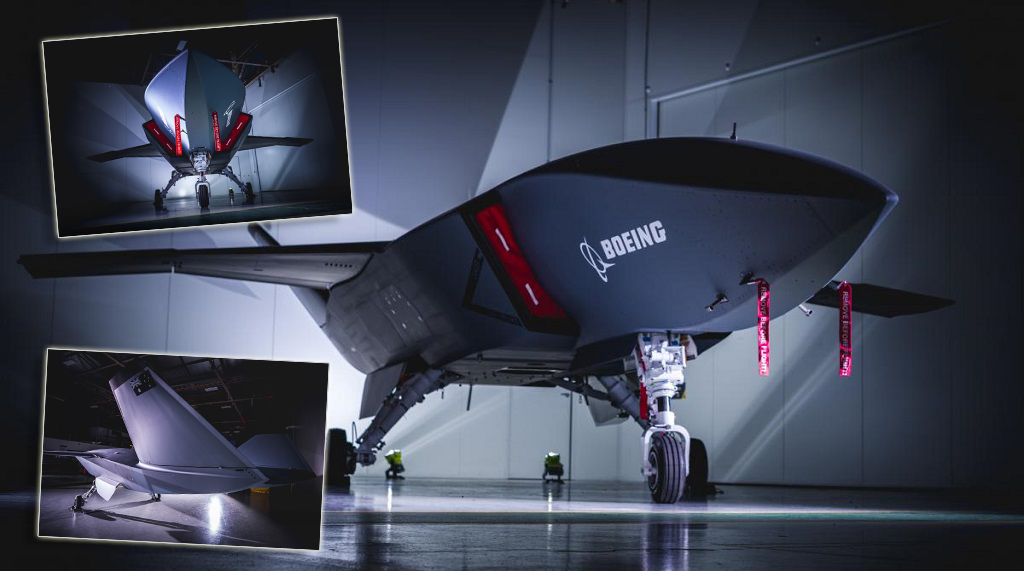
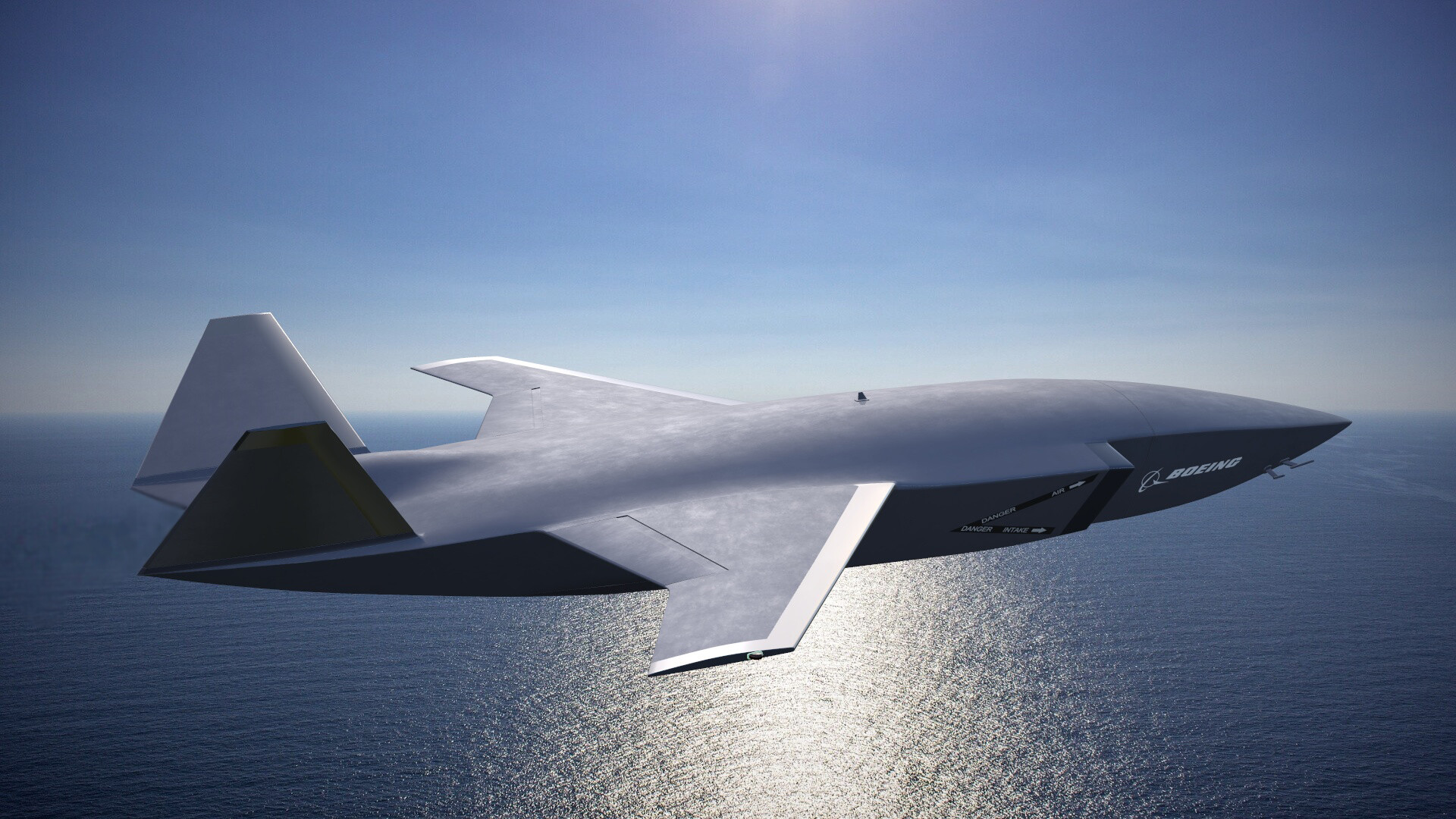
The drone has an integrated on-board sensor package that should more than ably support its three core functions, namely intelligence, surveillance and reconnaissance, or ISR, as well as tactical early warning missions. Besides allowing the drone to fly independently or support a manned aircraft it accompanies, its in-built AI also ensures that it maintains a safe distance between itself and other aircraft at all times.
Boeing claims that its Loyal Wingman will ultimately have performance comparable to that of a conventional fighter jet. In the words of Boeing: “It will provide fighter-like performance.”

The Loyal Wingman is expected to change the tide of war and its role in the future cannot be ignored anymore. The technology is quickly reaching the point where it’s more effective to operate a fleet of drone aircraft than meat-based fighter pilots. However, the question remains: does this herald a golden age, or are we simply setting up ourselves for a real-life Terminator?
Drones go back farther in time than you might realize. The first military drone-like object was the balloon bombs that Field Marshal von Radetsky of Austria used to attack Venice – rather unsuccessfully, I might add – in 1849. Their capabilities have become increasingly sophisticated, and drones are being developed to be used in lock-step with manned aircraft, such as fighter jets.


The Blackhorse in the race to build military drones is Turkey, whose new TB2 Bayraktar has performed very well in recent conflicts in the region. However, the Loyal Wingman is set to surpass the TB2 Bayraktar and become the next generation of military aircraft, replacing the pilot with silicon and taking the man out of the pilot seat.